Cinema Camerawork Workshop: Professional Film Camerawork
Registration with the organizer
Registration and any payment happen on the organizer's website.
Go to registration on organizer website ↗Found by Moments · Berlin Film Community
Is this your event?About the event
*** Note: In order to attend you must register and pay at https://berlinfilmcommunity.com/camerawork *** *** Level: Beginner. The workshop is conducted in English and costs 299€. Membership Berlin Film Community members pay €269 - save €30 on this course. Membership costs €30/year and includes 10% off all workshops plus member-only events. When you purchase this workshop, your first year membership is included in the price. To find out more info about the Berlin Film Community visit our website. [https://berlinfilmcommunity.com/](http://%5Bhttps//berlinfilmcommunity.com/%5D(https://berlinfilmcommunity.com/) "\[https://berlinfilmcommunity.com/\](https://berlinfilmcommunity.com/)")
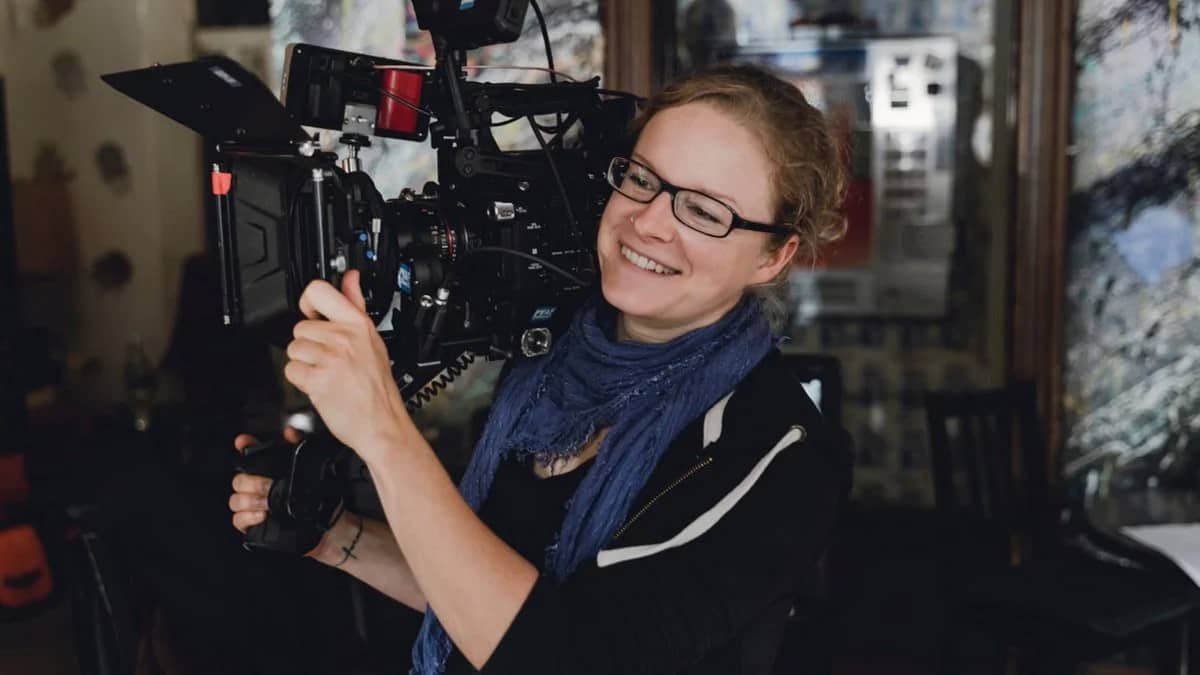
This will be a very hands-on workshop that will be a mix of demonstration, practical exercises, and useful camerawork theory. You will learn how to set up both a Sony FX6 cinema camera, as well as a Sony mirrorless camera. You will attach accessories you would normally find on a film set to make these cameras ready for shooting. You will also learn how to break down, prepare for, and shoot a simple, pre-scripted scene with all participants getting to perform the different camera department roles. If you’re looking to advance your camerawork knowledge this workshop will help you take a few big steps down that road.
This workshop is for beginners, however a basic understanding of camera basics such as aperture, shutter speed and ISO are extremely helpful. This will allow me to focus more on the filmmaking aspects of camerawork and be able to quickly go over the very basics and get more in-depth. The workshop will be taught in English and will be limited to 12 participants to give everyone the opportunity to have as much hands on time as possible.
Camerawork in Practice Everyone in the class will get the opportunity to set up both cameras, use all the accessories, such as the follow focus, and shoot part of the scene. As we do this, we will rotate through the different roles, with everyone working diligently, as it would be on a film set. We will put our plan into action and tell our story as well as possible.
Camerawork Theory While this is a very hands-on workshop, I feel that learning camerawork techniques and theory is also extremely important. The camera and accessories are tools which you learn so that you can get better at the creative aspects of filmmaking. In the theory section we will go over framing and composition, how to move the camera, and how to tell a story visually. I will also show you the basics of how to break down a scene. We will look at the tools which help different departments collaborate effectively and also help a set run efficiently. Shot lists, storyboards, and the production schedule are some of the tools that can break a script down into the individual shots that best tell our story and let everyone know what needs to be done and when. We will create our own shot list and schedule and plan our own shoot based on the already written script. We will then shoot that script as a lean, mean, filmmaking team.
Schedule Day 1: Saturday, Nov. 21st – 09:00 – 16:00
• Brief overview of Exposure triangle and shutter speed for film • Aperture, shutter speed, ISO • Exposing for film – Don’t use your histogram • High speed shutter • Pushing shutter speed for effect or to gain light • Exposure tools • False color, Waveform, Histogram, Zebras • Protecting your highlights • Exposing your subject correctly – skin tones • Light meters & lighting ratios with demonstration • Maintaining consistency between shots • Codecs and bit depth • Raw, Log, compressed codecs • Picture profiles and LUT’s • Bit depth briefly explained • Dynamic range explained • Camerawork theory • Different shot sizes and what they mean • Camera Level – low, high, eye level and their impact • Camera motion – pan, tilt, dolly when to use them • 180 degree rule and eye lines • Breaking down a scene • Building up a cinema camera package for a shoot • Build up the Sony…