Past event — This event ended 23 days ago.
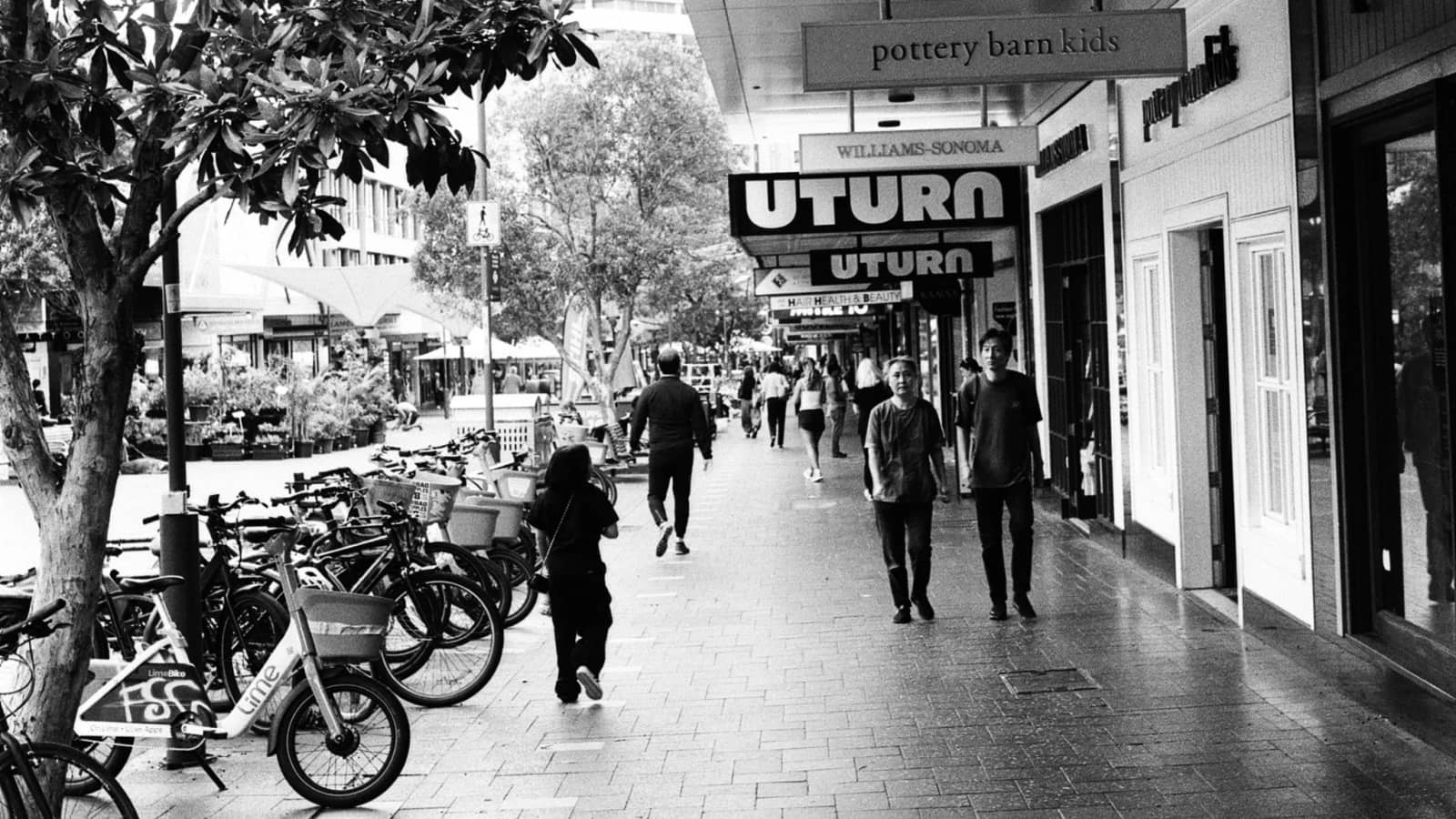
SSP TUE - CITY LIGHT & SHADOWS IN MONOCHROME : Kings Cross
Registration with the organizer
Complete your actual registration on the organizer's website.
Found by Moments · Sydney Street Photographers
Is this your event?About the event
Explore the light, shadows, architecture and street life of Kings Cross, Potts Point and Elizabeth Bay on a monochrome photography walk following the City of Sydney’s “Passion: Sydney’s Wild Side” cultural route.(see Photos for details)
Coffee before the walk and an optional group pub lunch afterwards.
First meeting point: For those who like coffee, from 10:00 am Uliveto Café Location: Bayswater Road, Kings Cross, close to Kings Cross Station
Second meeting point (Walk starting point): The Coca-Cola Sign, at 10:30 am
Group lunch
Lunch time: Approximately 12:00–12:15 pm Location: Kings Cross Hotel, Darlinghurst Road, Kings Cross
Photography theme: City Light and Shadows
During this walk, look for:
Pools of light: Wait for a person to walk through a brightly lit section of pavement while the surrounding area remains in shadow. ↳ Silhouettes: Photograph people against bright walls, windows, the sky or reflective surfaces. Exposure compensation may help preserve the highlights and turn the person into a strong graphic shape.
Layers and framing: Use doorways, railings, stairways, tree branches and architectural openings to divide the frame or surround your subject.
Human gestures: Street photography can include people as important subjects. Look for an expressive stride, a conversation, an unusual interaction, a moment of solitude or a figure whose position completes the composition. ↳ Tonal contrast: Search for scenes containing very bright and very dark areas. In monochrome photography, separation between tones can be more important than the original colours.
Textures and traces of history: Weathered walls, stone steps, iron fences, old façades, signs and pavement details can communicate the character of the neighbourhood.
Suggested shooting areas
The Cross and Darlinghurst Road The walk begins amid the visual intensity of Kings Cross. Look for shopfront reflections, signs, traffic, pedestrians emerging from the station and contrasts between older façades and contemporary street life. This is a good place to practise layered compositions. Rather than photographing one person against an empty background, try combining foreground reflections, a middle-distance subject and architectural detail farther away.↳ A slower shutter speed can introduce movement into passing pedestrians or vehicles, while a faster shutter speed can isolate gestures and brief interactions.
Victoria Street and 202 Victoria Street As we move away from the commercial centre, the visual rhythm changes. Terraces, apartment entrances, balconies, fences and trees create repeated lines and alternating patches of light and shade. Look for people entering and leaving buildings, figures partially hidden by trees, and subjects framed by gates or doorways. In monochrome, small differences in texture—paint, brick, stone, foliage and clothing—can become important.
Butler Stairs and McElhone Stairs The stairways are among the strongest locations for our theme. Steps, handrails and retaining walls naturally produce leading lines, repeating geometry and deep shadows. Try photographing:
*a single person ascending or descending the stairs
• shadows cast across the steps *a figure positioned between railings↳ • a high-angle or low-angle composition *the contrast between a sunlit landing and a darker staircase
Be considerate here, as the stairs are public access routes. Keep camera bags close and leave space for residents and pedestrians.
Embarkation Park The park provides a visual transition from the dense streetscape to a more open environment. Trees can create broken or dappled shadows across paths, walls and people. Look for small figures within larger compositions and relationships between people, foliage, surrounding buildings and open sky. This can be an opportunity to make quieter photographs rather than concentrating only on dramatic contrast.
St Vincent’s College, Challis Avenue and surrounding streets The institutional architecture, mature trees…