Past event — This event ended 3 days ago.
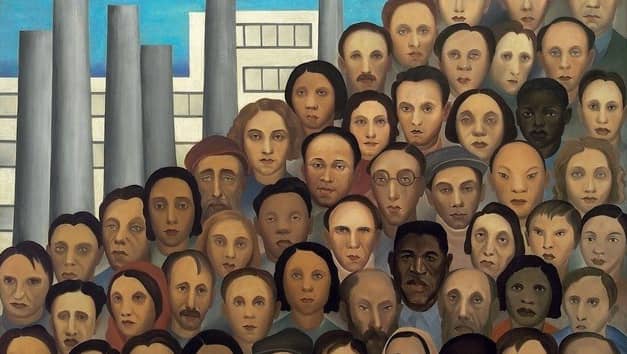
REPÚBLICA VELHA – Rupturas Estéticas e os Sujeitos Excluídos da Nação
About the event
Método presencial OBJETIVO GERAL O curso tem como objetivo analisar a República Velha (1889–1930) a partir das relações entre arte, cultura, política, urbanismo, ciência, sociabilidade e construção simbólica da nação brasileira. A proposta parte da compreensão de que a modernização republicana não foi apenas um projeto econômico e institucional, mas também um vasto projeto cultural e visual, profundamente marcado pelo higienismo, pelo racismo científico, pela eugenia e pela tentativa de construção de uma identidade nacional associada aos ideais de progresso, civilização e embranquecimento da população. Ao longo das aulas, serão investigadas as formas pelas quais a arte, a arquitetura, a literatura, a música, o teatro, a fotografia, a imprensa ilustrada e os discursos científicos participaram da elaboração de uma visão oficial do Brasil moderno, frequentemente baseada no silenciamento ou na idealização das populações negras, indígenas, sertanejas, operárias e imigrantes pobres. O curso também propõe compreender como esses grupos subalternizados sobreviveram culturalmente dentro desse projeto de modernidade excludente, preservando tradições, religiosidades, linguagens e formas de sociabilidade frequentemente marginalizadas pelas elites republicanas. Nesse contexto, serão discutidas as tensões entre tradição e progresso, misticismo e racionalidade científica, litoral e sertão, civilização e barbárie, bem como a construção dos “grandes heróis nacionais” em contraste com os sujeitos historicamente invisibilizados. OBJETIVOS ESPECÍFICOS – Compreender a formação da cultura urbana brasileira entre 1889 e 1930. – Analisar o papel da arte e da cultura na construção simbólica da República. – Investigar como o higienismo, o eugenismo e o racismo científico influenciaram políticas públicas, projetos urbanos e representações sociais. – Discutir o ideal de embranquecimento da população brasileira e suas relações com imigração, educação, medicina e cultura visual. – Examinar como negros, indígenas, trabalhadores urbanos, sertanejos e imigrantes foram silenciados, marginalizados ou idealizados pela cultura oficial republicana. – Entender as tensões entre tradição popular, religiosidade, misticismo e os discursos de progresso e racionalidade científica. – Refletir sobre o academicismo artístico e suas relações com a construção de uma imagem idealizada da nação. – Analisar o modernismo e a Semana de 1922 como tentativa de criação de uma identidade cultural brasileira, inclusive por meio da incorporação de elementos populares e marginalizados, ainda que conduzida por setores das elites intelectuais. – Estudar a cultura operária, as greves, os movimentos sociais e o papel do imigrante como sujeito subalternizado na modernização brasileira. – Relacionar arte, arquitetura, urbanismo, literatura, fotografia, música e política na constituição do imaginário republicano. CONTEÚDO 23 de setembro de 2026 AULA 1 – Academicismo, idealização social e representação dos subalternos A Escola Nacional de Belas Artes e a consolidação do academicismo brasileiro. A influência francesa e italiana na pintura histórica e alegórica. A criação de imagens idealizadas da nação e do povo brasileiro. A representação do negro, do indígena, do sertanejo e do trabalhador entre exotização, romantização e invisibilidade. Rodolfo Amoedo, Eliseu Visconti, Pedro Weingärtner, Belmiro de Almeida e Henrique Bernardelli. A tensão entre tradição acadêmica e novas linguagens artísticas. A arte como instrumento de legitimação das elites republicanas. 30 de setembro de 2026 AULA 2 – Literatura, música e cultura popular: vozes críticas da Primeira República Machado de Assis e as ambiguidades da sociedade republicana. Lima Barreto como crítico da exclusão social, do racismo e da falsa modernidade brasileira. Olavo Bilac e a cultura oficial republicana. A formação da Academia Brasileira de Letras. O teatro de revista, os cafés-concerto e a vida boêmia urbana. O maxixe, o choro e as…