Sibelius & Sohy: Music Around WWI
About the event
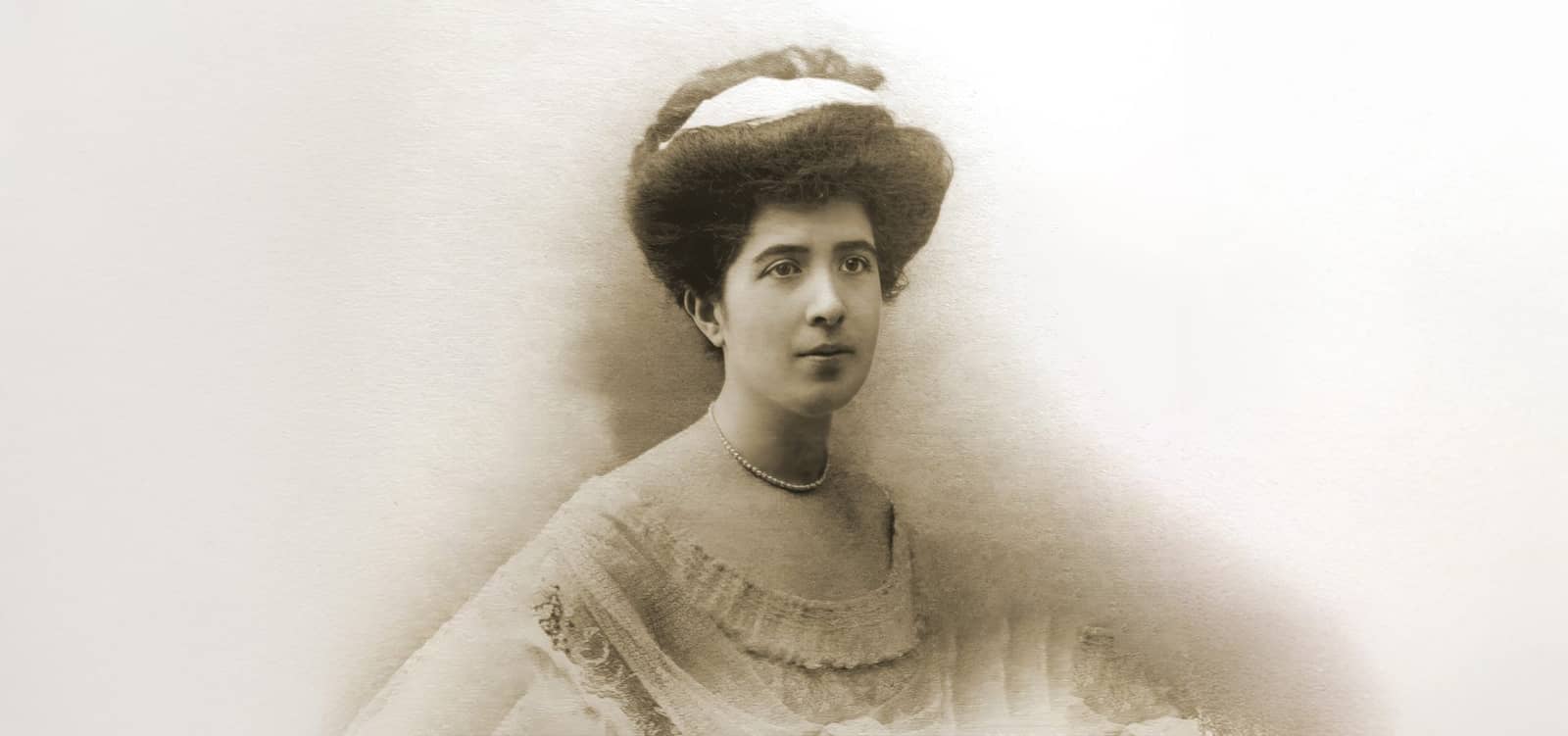
In the Parisian salons, Ravel, Dukas, and Fauré played her music, but Charlotte Sohy herself never heard her impressive Symphony in C-sharp, nicknamed 'Grande Guerre'. Charlotte Sohy and Lili Boulanger
A program featuring music composed during the First World War. Central to the program is the Symphony in C-sharp, 'Grande Guerre' by the French composer Charlotte Sohy, written between 1914 and 1917 and only rediscovered in 2019. Melancholic and somber, yet also grand and energetic, this symphony bears witness to the hardships of war. Stylistically, the work is related to music by César Franck. Charlotte Sohy received her initial musical training from Nadia Boulanger, also born in Paris in 1887. Her younger sister, Lili Boulanger, the first female composer to receive a Prix de Rome at the age of nineteen, wrote D'un matin de printemps in 1918, a remarkably light-footed work for someone who felt her premature death approaching.
Heavenly mosaic
On his fiftieth birthday, December 8, 1915, Jean Sibelius conducted his Fifth Symphony, which he had written specifically for the occasion at the request of the Finnish government. Sibelius continued to refine this work until 1919. Only then was he satisfied with the arrangement of the themes. 'It is as if God the Father has thrown down mosaic pieces from the floor of heaven and asked me to place them in the right spot.' This puzzle took him years, but ultimately yielded 'a vital climax, triumphant,' as he himself noted.