Past event — This event ended 7 days ago.
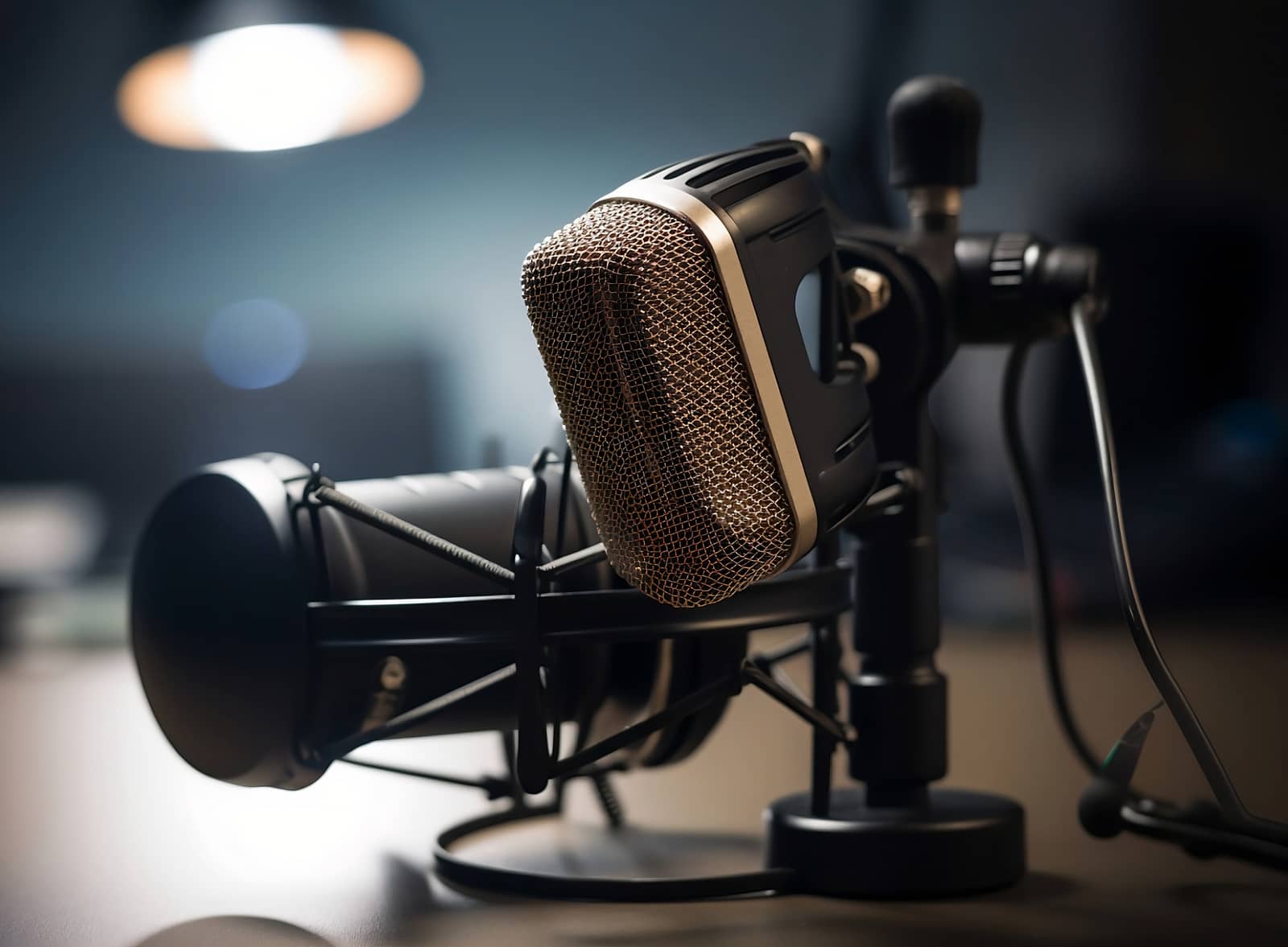
Audiovisual course: podcast production
About the event
Curadoria de Gabriela Mayer PRÉ-INSCRIÇÕES A PARTIR DE 27 DE JUNHO, ÀS 10H. Você tem uma boa ideia e vontade de compartilhá-la por meio da voz? Quer transformar histórias em som, com técnica, criatividade e propósito? O Curso BVL de audiovisual: produção de podcasts chega à sua segunda edição para atender a quem deseja dar forma e profundidade a um projeto autoral ou simplesmente entender as engrenagens de uma das mídias mais dinâmicas da atualidade. A formação combina teoria e prática e abordará todas as etapas de planejamento, feitura e publicação de um podcast, alternando entre encontros presenciais e virtuais. Com curadoria da jornalista Gabriela Mayer, o curso reúne nomes reconhecidos do mercado para conduzir os participantes por sete módulos estruturados que abordam desde o panorama do setor até a produção prática de conteúdo. Módulo 1 – O que é um podcast O módulo inicial é introdução ao universo de podcasts em dois encontros: Aula 1: Apresentação da história desta mídia, contando como ela tem se desenvolvido no Brasil e detalhando os formatos mais usuais de programas, mercado e financiamentos. Aula 2: O que precisa ser feito para tirar o podcast do papel. Preparação, pesquisa, análises prévias, checagem da viabilidade do projeto e dicas para estruturar uma temporada. Módulo 2 - Começando a fazer um podcast Explora as etapas iniciais de produção de um podcast, da pesquisa à gravação de entrevistas, em três aulas: Aula 1: Apresentação uma das almas da produção de um podcast, que é a pesquisa de boas histórias, e o planejamento logístico necessário para garantir que os passos seguintes saiam como esperado. Apuração inicial com fontes, acervos e arquivos. Aula 2: Direitos autorais e o que pode ou não pode ser utilizado em um podcast. Regras para o uso de trilhas sonoras e regras jurídicas para diferentes plataformas. Aula 3: Conhecendo os equipamentos de gravação. Técnicas e parâmetros ideais de gravação presencial. Plataformas e parâmetros para gravações virtuais. Módulo 3 – O roteiro de podcast Mergulha em formatos e técnicas de roteiro para podcast em cinco aulas: Aula 1: A responsabilidade da informação. Pilares e premissas para um roteiro consistente e interessante, comprometido com a veracidade dos conteúdos e informações. Aula 2: Construindo um roteiro para entrevistas. Como pensar e organizar as perguntas para dar sentido narrativo à conversa. Introdução aos roteiros de mesacast. Aula 3: Conhecendo um roteiro narrativo e suas diferentes técnicas, modelos e formatos. Premissas para construir um roteiro completo, com objetivos bem definidos, combinando textos e elementos sonoros. Aula 4: Se aprofundando em um roteiro narrativo. A inserção de elementos históricos no podcast. Aula 5: Técnicas de roteiro de ficção. Abordando o uso do lúdico e da fantasia no texto e de recursos sonoros que a ficção permite. Módulo 4 – Apresentando um podcast Em duas aulas, o módulo se debruça sobre as formas de usar a voz e de apresentar um podcast: Aula 1: A narração para podcasts. Explorando técnicas de uso de voz e interpretação do texto para contar uma história. Aula 2: Roda de conversa sobre a apresentação de podcasts em formato mesacast ou de entrevistas, discutindo a importância de estar bem-preparado, a forma de se colocar nas conversas e o que ajuda e o que atrapalha na condução de uma entrevista. Módulo 5 – Editando o podcast O quinto módulo transita pela edição, em três aulas que vão detalhar as técnicas e as premissas para o trabalho com o áudio: Aula 1: Primeiros passos para a edição de som, apresentando softwares de edição, ferramentas mais utilizadas e técnicas básicas para lidar com a onda sonora. Aula 2: Ferramentas de tratamento do som para ajustes e finalização de áudio e uso de recursos sonoros. Aula 3: O uso da trilha sonora, tratando da composição, da seleção e da aplicação de trilhas, além do uso de IA em um episódio de podcast. Módulo 6 – Divulgando o…
![[Oficina] Defina seu posicionamento e atraia os pacientes certos](/_next/image?url=https%3A%2F%2Fimages.lumacdn.com%2Fapi-uploads%2Fpy%2F1ff7c2f0-aee2-4adf-b29c-c98671cd079f.jpg&w=1600&q=70)