The Life You Can Save - Peter Singer (TBC)
About the event
Please note: Meetup is not currently correctly processing BC's decision to remain on Pacific Daylight Time year-round beginning this fall. This event will take place from 3-5pm: 🗓️ Date: November 14th 🕐 Time: 3:00 PM - 5:00 PM 📍Location: Vancouver Public Library, Central Branch, 350 Georgia St W, Vancouver
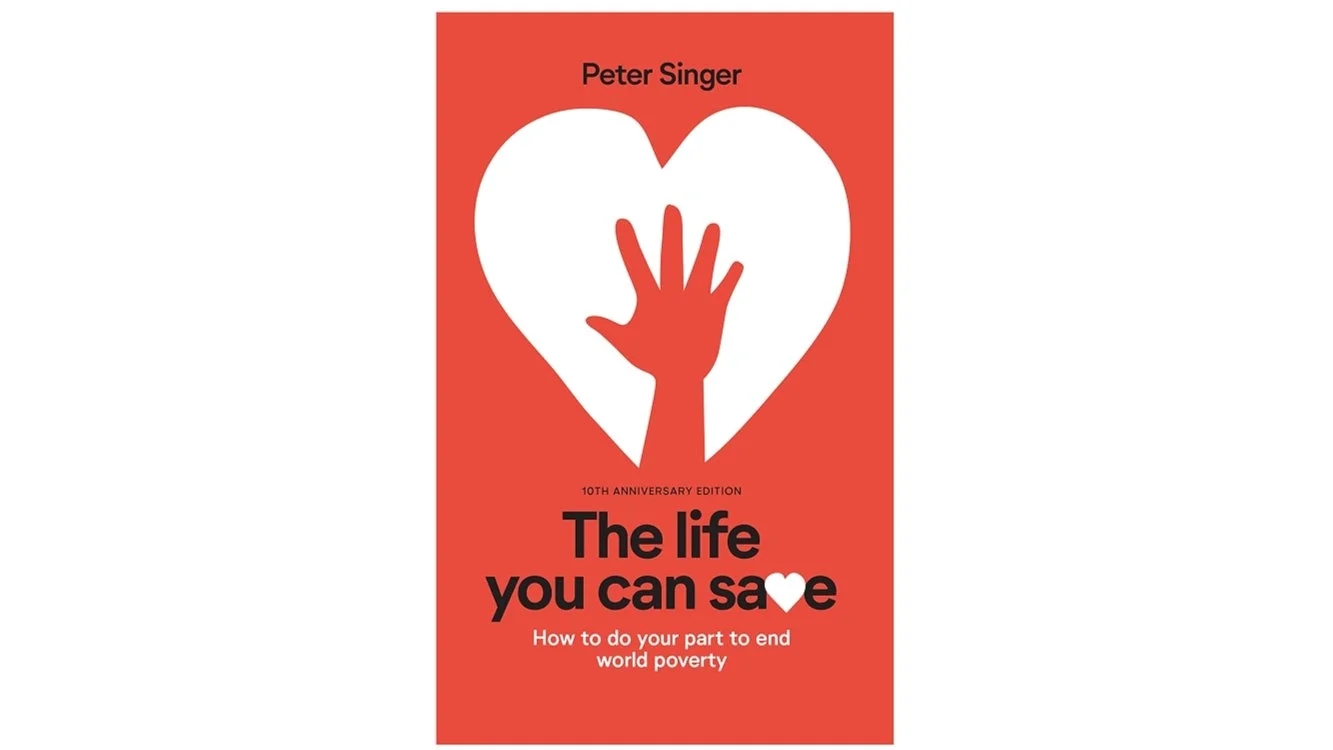
Join us for a discussion of The Life You Can Save by Peter Singer. The synopsis and some tentative discussion questions are below. If as you read, you encounter some thought-provoking lines and/or find yourself wrestling with some burning questions, please note them down and bring them to the discussion! Whether you've read the whole book or just want to explore some of its central ideas, you're welcome to join; and if you need help accessing the text, please feel free to reach out to me directly.
Synopsis: In The Life You Can Save, Singer argues that people in affluent societies have a moral obligation to help those living in extreme poverty. He builds on his well-known thought experiment of a child drowning in a shallow pond: if we would ruin expensive clothes to save that child, he asks, what justifies refusing to give comparable sums to prevent deaths from poverty elsewhere? Singer examines the psychological tendencies that inhibit giving, including the identifiable victim effect, diffusion of responsibility, a sense of futility, and preference for those close to us. He responds to objections about aid effectiveness, government responsibility, and obligations to family, and he emphasizes directing donations to organizations with demonstrated impact. The book concludes with a proposed giving standard scaled to income, intended to be demanding but achievable, and it has been an influential text in the development of the effective altruism movement.
Discussion Questions (subject to revision):
1. Singer's drowning child analogy rests on the claim that distance and nationality are morally irrelevant. Do you accept this premise? If not, what morally relevant difference do you see? 2. Does the analogy hold when the problem is systemic poverty rather than a single emergency that one person can resolve? 3. Singer identifies psychological barriers to giving. Should these tendencies be treated as biases to overcome, or do some reflect legitimate moral intuitions? 4. How strong are the objections that aid can create dependency, sustain corrupt governments, or displace local solutions? Does Singer answer them adequately? 5. Is it reasonable to prioritize one's family and community over strangers in greater need? Where, if anywhere, should the line be drawn? 6. Singer proposes a sliding scale of giving based on income. Does a moderate, achievable standard compromise his underlying argument, or is it a sound practical adjustment? 7. Critics argue that focusing on individual charity diverts attention from political and structural change. How might Singer respond? 8. Given later debates about effective altruism, has the movement Singer helped inspire strengthened or complicated the case he makes in this book?