In-Person Event: Plato, Justice, Virtue, and the Origins of Philosophy
About the event
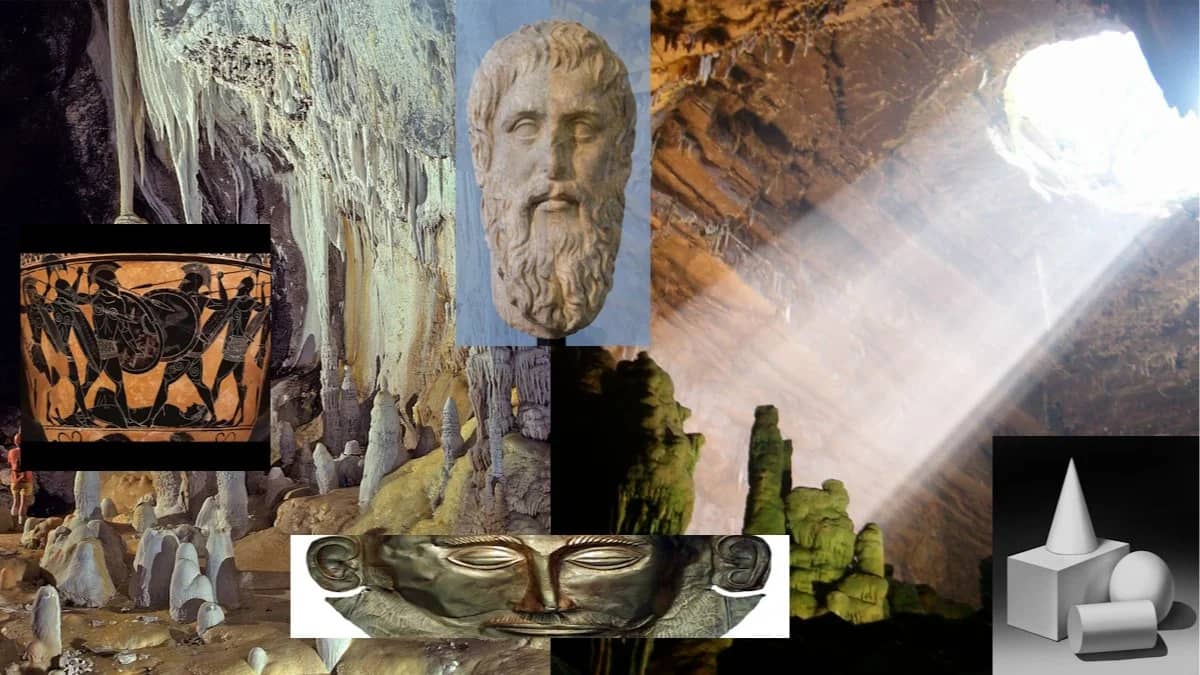
It is nearly impossible to say exactly when Western philosophy began, but there is little doubt it first came to full literary expression with its primary and enduring characteristics in the philosophy of Plato. Proverbially most of the central concerns of the tradition find some root in his works and if we wish to understand much of what drives philosophical practice, we would do well to consider the foundational motivations for Plato's works. the core text here is found in Plato's acknowledged masterpiece, the Republic. Perhaps the first significant surviving long form piece of philosophical writing in human history. What we find in this text is a fundamental concern for a crisis of values in Greek society that is embodied in the question how to properly understand the concepts of Arete (virtue) and Justice (Dikaiosyne). It is the problematic meaning of these two fundamental moral concepts which motivates a good deal of Plato's speculation. And it is an attempt to reckon with the cultural legacy of the Greek myths and the homeric epics and the social values embodied in them that this moral conflict takes focus. For these myths and epics speak of a harsh and primitive state of society in which small affiliated kinship groups are in perpetual fear of skirmishes and broader war with each other. The result is the morality of these epics is profoundly focused on harsh ideals of strength, effectiveness and personal greatness and charisma and only marginally and secondarily are concerned with any themes of intention, moral responsibility, empathy and pity which play such a role in more modern moral discourse. In the world of 4th century Athens that Plato was born into, such later forms of discourse have started to emerge and they raise profound questions about what it means to be a good person, to be great, and to be just, and also what a good society looks like. These themes lie in the background of most of the majority of the platonic dialogues, but it is in the Republic that we see Plato trying to work out a mature solution to these problems and at the same time, trying to provide a vision of the meaning and purpose of philosophy. Fundamental to this solution will be a rejection of the idea that Justice and greatness can ever be associated with the ruthless pursuit of personal advantage and power and an affirmation that the foundation of Justice is a sense of a common good. This good will turn out to be tied to the realm of abstractions and ideals and to be separate from the success in practical affairs that is so celebrated both in the homeric epics and in nearly all places and times. And in doing so, Plato will have to craft the idea of a special kind of knowledge and a special kind of life dedicated to this knowledge, which has been known in the west, as philosophy In our next two meetups, we will be focused on reviewing both this conflict and the dimensions of the Platonic solution by reading an extensive series of selections from the Republic. In this first meetup, our focus will be on the conflict itself and Plato's attempt to characterize the authentic virtues in terms of a proper ordering of the soul’s basic capacities.