Young Talent Mikkel Myer Lee: Beethoven and Chopin
About the event
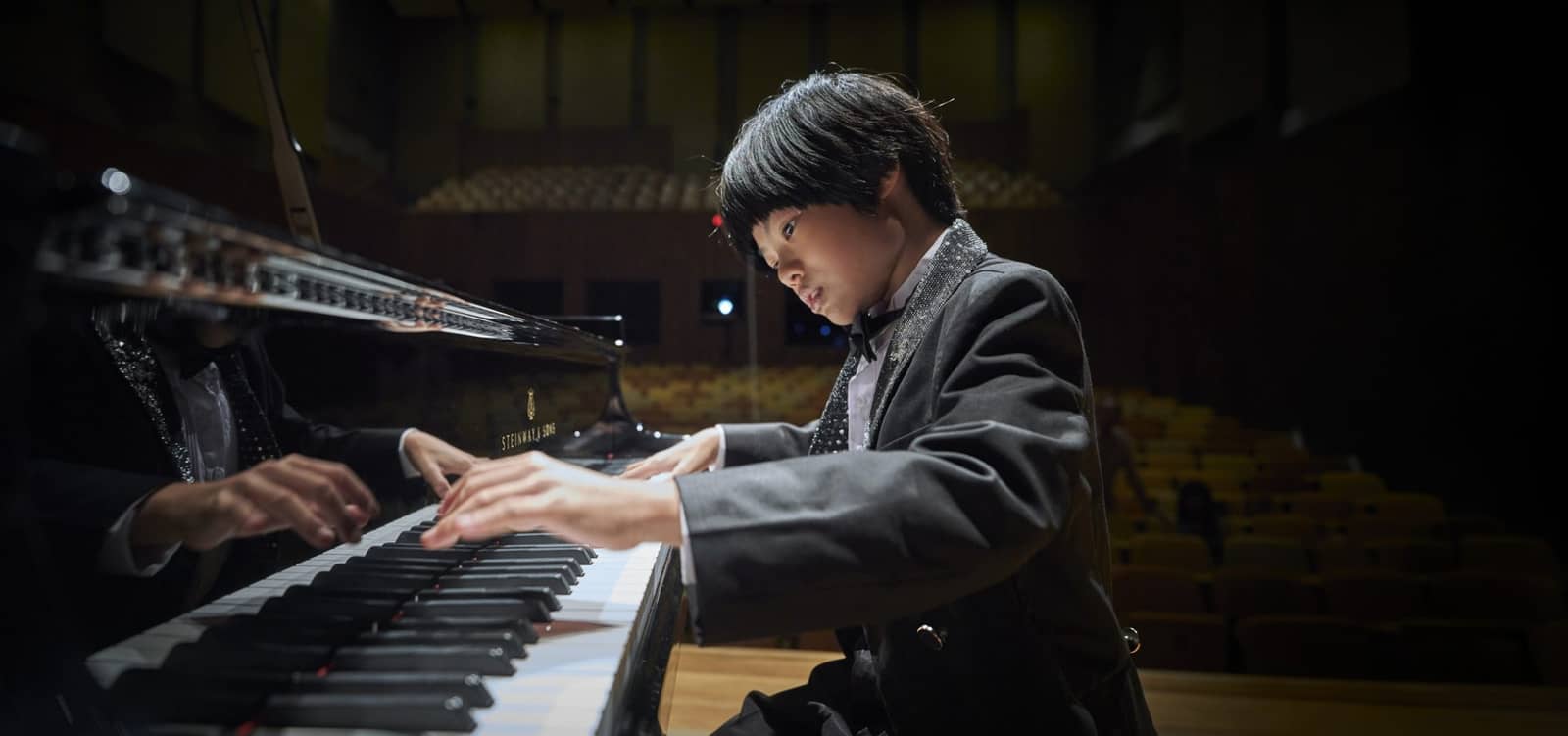
Following his successful debut in the Netherlands in 2025, Singaporean pianist Mikkel Myer Lee returns, this time to the Concertgebouw. This recital centers on two strongly contrasting piano sonatas by Beethoven: the energetic Sonata No. 18 and the more contemplative Sonata No. 28. The program concludes with Chopin's impressive Third Sonata, a work full of poetry, power, and virtuosity. A remarkable musical journey
Despite his young age, Mikkel Myer Lee has already made an international impression with his musical talent, his natural feel for the music, and his personal approach to the repertoire. An important part of his development is an ambitious Beethoven project, in which he performs all 32 piano sonatas over several years. These works demonstrate how Beethoven constantly renewed himself as a composer and continually explored new musical avenues. In this recital, Mikkel brings together music from different periods of Beethoven's life, from the playful energy and inventiveness of Sonata No. 18 to the more contemplative and progressive world of Sonata No. 28. After the intermission, Chopin's impressive Third Sonata follows, a work full of lyricism, power, and virtuosity. This program offers a wonderful opportunity to experience these masterpieces through the eyes and ears of a young musician who is finding his own way through the repertoire with curiosity, conviction, and enthusiasm.
Beethoven and Chopin
This program explores the development of the piano sonata through two of Beethoven's most contrasting masterpieces and one of Chopin's greatest artistic achievements. Beethoven's Sonata No. 18 in E-flat major, Op. 31 No. 3 opens the recital exuberantly, wittily, and with boundless imagination. The sonata, also known as 'The Hunt' due to its lively finale, shows Beethoven at his most playful and inventive, defying conventions and enchanting the audience with the music's energy and charm. He wrote Sonata No. 28 in A major, Op. 101, more than ten years later, and it belongs to Beethoven's late period, a time when his music became increasingly personal and gained in vision and depth. Here, intimate lyricism and deep introspection culminate in a monumental finale that reaches far beyond the musical language of his time. After the intermission, Chopin's Third Sonata in B minor, Op. 58 concludes the concert in a magnificent manner. This work, which combines poetic beauty, dramatic power, and stunning virtuosity, is regarded as Chopin's most extensive contribution to the sonata form. Deeply rooted in the tradition left behind by Beethoven, his music sounds distinctly romantic, full of elegance, passion, and imagination. Together, these works sketch a remarkable artistic journey, from Beethoven's revolutionary spirit to Chopin's lyrical genius, and highlight the timeless richness and expressive possibilities of the piano sonata.