Past event — This event ended 18 days ago.
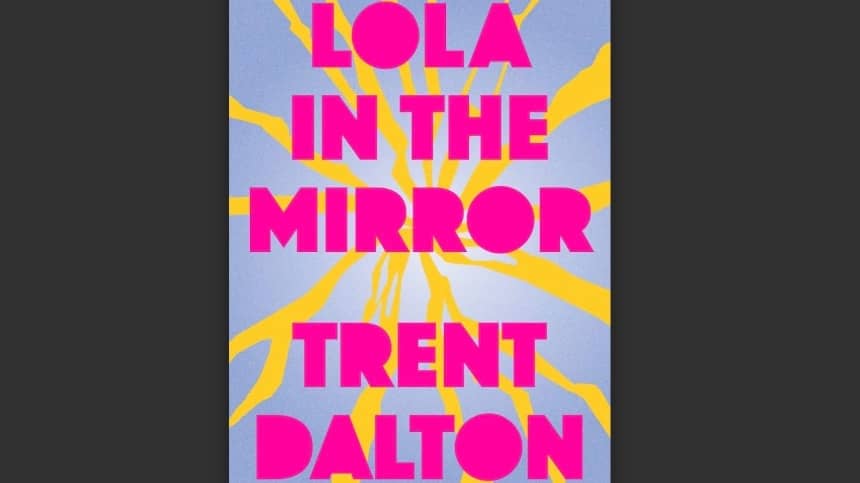
September Book of the month - Lola in the Mirror
Registration with the organizer
Complete your actual registration on the organizer's website.
Found by Moments · Books & Us - A Melbourne Book club
Is this your event?About the event
Book Club: [Lola in the Mirror](https://www.goodreads.com/book/show/167582092) by Trent Dalton
What if the person staring back at you in the mirror could reveal a life you never imagined? In Lola in the Mirror, Trent Dalton weaves a powerful and deeply Australian story about identity, family, friendship, grief, and the possibility of reinventing yourself.
The novel follows a young woman and her mother, two fugitives constantly on the move, as they navigate life on the margins of Brisbane. Their unstable existence is shaped by poverty, crime, addiction, and the ever-present fear of being caught. Yet amid the chaos, they find moments of humour, love, loyalty, and hope.
At the heart of the story is a mysterious girl who appears only in a mirror—a figure who seems to offer a glimpse into another possible life. As the protagonist becomes increasingly fascinated by this stranger, the boundaries between reality, memory, and possibility begin to blur. The mirror becomes more than a reflection; it becomes a symbol of the lives we might have lived and the choices that shape who we become.
Dalton combines a gritty portrayal of life on the fringes of Australian society with moments of magical realism, creating a story that is both heartbreaking and hopeful. Lola in the Mirror explores how people survive difficult circumstances, how family can both hurt and sustain us, and whether it is ever possible to escape the story written for you by your past.
Discussion Points:
• How does Lola in the Mirror explore the idea of identity? How much of who we become is shaped by our circumstances, and how much is within our control? • What does the mysterious girl in the mirror represent? Is she a literal character, a symbol, or something more ambiguous? • How does the relationship between the protagonist and her mother evolve throughout the novel? What do they owe each other? • The novel explores poverty, homelessness, addiction, and crime without reducing its characters to stereotypes. How effectively does Dalton achieve this? • What role do friendship and found family play in helping the characters survive? • How does Brisbane function almost as a character in the story? What does the novel reveal about the city and the people who live on its margins? • The mirror is a recurring image throughout the novel. What does it suggest about alternate lives, regret, possibility, and self-discovery? • How does Dalton balance the novel’s darker themes with humour, tenderness, and hope? • Were there moments when you questioned what was real? How did the uncertainty affect your reading of the story? • Ultimately, is Lola in the Mirror more a story about escaping your past or learning to accept and reshape it?
If your group enjoys discussing identity, family dynamics, social inequality, magical realism, and the idea of alternate lives, Lola in the Mirror offers plenty to unpack. It is also a great opportunity to explore how Australian fiction portrays people living outside the conventional boundaries of society—and what it means to find hope and connection in unexpected places.