Past event — This event ended 35 days ago.
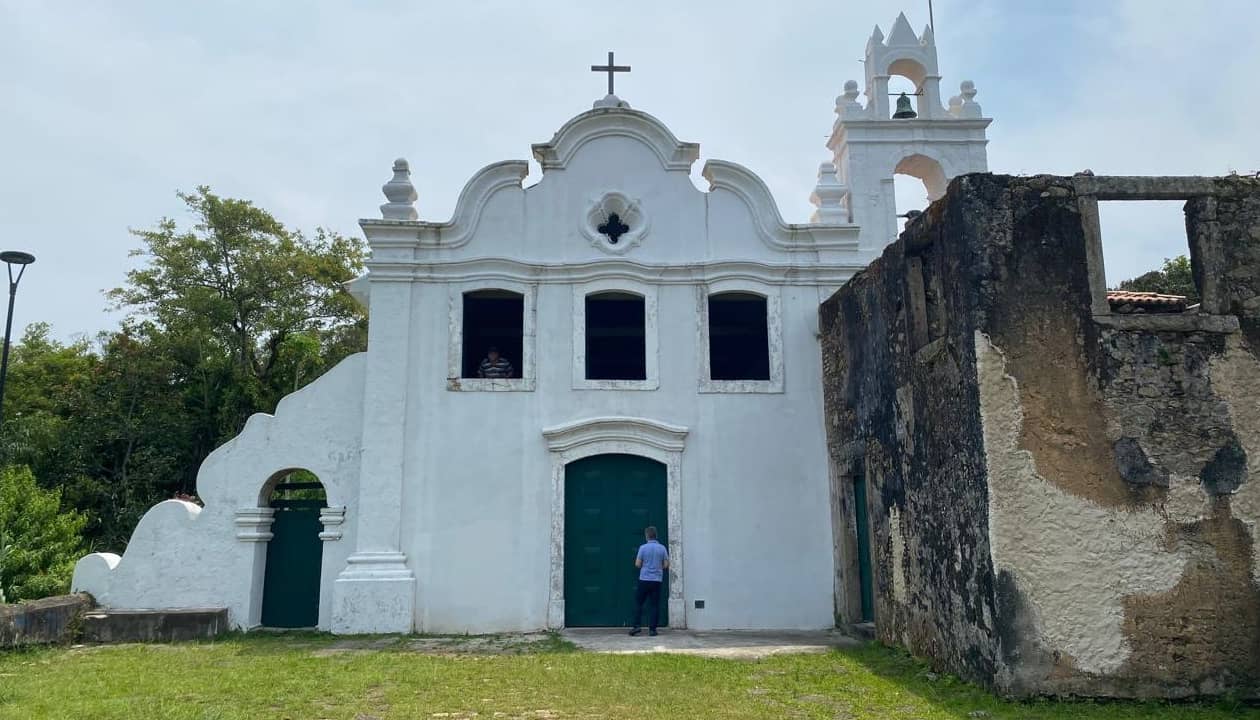
cafe teologico: Entre a arte e a austeridade: a beleza escondida nos conventos capuchos de São Paulo
About the event
Neste café vamos analisar a contribuição dos frades franciscanos Capuchos, através de suas crônicas e da edificação de seus conventos, na arte colonial brasileira do atual Estado de São Paulo. A Província de Santo Antônio do Brasil, e posteriormente a Província da Imaculada Conceição do Brasil sediadas no Nordeste e Sudeste, respectivamente, coordenaram a construção de conventos nesta região do território colonial brasileiro. No Sudeste, particularmente em São Paulo, seis edificações foram instaladas nas principais vilas de então, a saber: três no litoral, Nossa Senhora do Amparo (São Sebastião), Santo Antônio do Valongo (Santos) e Nossa Senhora da Conceição (Itanhaém); dois no interior, Santa Clara (Taubaté) e São Luís de Tolosa (Itu) e um na capital, o de São Francisco e São Domingos (São Paulo). Todos estes espaços seguiram padrões de ocupação territorial, arquitetônica e artística em perfeita sintonia com os interesses da Coroa, da Igreja Católica e do franciscanismo Capucho. Frei Alvaci Mendes da Luz Reitor da Universidade São Francisco (USF), é doutor em História pela Universidade Estadual de Campinas (UNICAMP) e mestre em História pela Pontifícia Universidade Católica de São Paulo (PUC-SP). Graduado em Teologia pelo Instituto Teológico Franciscano (ITF) e em Filosofia pela FAE Centro Universitário. Pesquisador e palestrante nas áreas de História, Patrimônio Cultural, Arte Sacra e Franciscanismo no Brasil Colonial. Seus estudos abrangem devoções negras, religiosidade afro-brasileira, patrimônio arquitetônico religioso, arte barroca e memória histórica. Possui artigos científicos, capítulos de livros e trabalhos apresentados em congressos nacionais e internacionais. Atua também como conferencista, moderador e organizador de eventos científicos, além de participar de bancas acadêmicas e projetos dedicados à preservação da memória franciscana e do patrimônio histórico-cultural brasileiro. Café Teológico Dia: 22 de agosto Horário: 11 horas Inscrições: Biblioteca@museuartesacra.org.br Valor: R$20,00 No final será servido um café no jardim do Museu