Past event — This event ended 43 days ago.
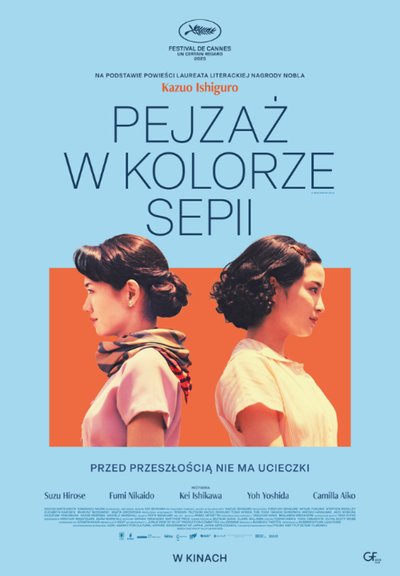
Pejzaż w kolorze sepii
About the event
„Pejzaż w kolorze sepii” to japońsko-polska produkcja na podstawie głośnej powieści Kazuo Ishiguro, laureata Nagrody Nobla, premierowo pokazana w selekcji oficjalnej festiwalu w Cannes. Film w reżyserii Keiego Ishikawy jest pełną napięcia i niedopowiedzeń opowieścią o rodzinnych sekretach, pułapkach pamięci i kruchej więzi między matką a córką.
Niki, dwudziestopięcioletnia pisarka wychowana w Wielkiej Brytanii, odwiedza na angielskiej prowincji swoją matkę Etsuko. Pretekstem jest sprzedaż rodzinnego domu, ale za pozornie zwyczajnym spotkaniem kryje się potrzeba zadania pytań, które przez lata pozostawały niewypowiedziane. Niki wie niewiele o japońskiej przeszłości matki, o powojennym Nagasaki, z którego Etsuko wyjechała do Wielkiej Brytanii, ani o okolicznościach, w jakich wraz z nią opuściła Japonię jej starsza córka Keiko. Wyznania Etsuko pełne są luk, uników i przemilczeń; każde wspomnienie może być zarówno tropem prowadzącym do prawdy, jak i zasłoną chroniącą przed bolesną pamięcią.
Kei Ishikawa przenosi na ekran charakterystyczny dla Ishiguro świat ulotnych wspomnień, emocji ukrytych pod powierzchnią i przeszłości, która nigdy nie daje się opowiedzieć do końca. Atmosferę narastającego napięcia i tajemnicy budują stylowe, hipnotyzujące zdjęcia Piotra Niemyjskiego oraz muzyka Pawła Mykietyna, kompozytora znanego z filmów „IO” i „Essential Killing”. Za produkcję filmu odpowiada Mariusz Włodarski, producent takich tytułów jak „Dziewczyna z igłą”, „Sweat” czy „Brzydka siostra”.